Chahal Agri Farms Wild Forest Honey — Raw, Multifloral, Uttarakhand
350 g
Rs. 379.00
Sale price
Rs. 379.00
Regular price
Skip to product information


Chahal Agri Farms Wild Forest Honey — Raw, Multifloral, Uttarakhand
Rs. 379.00
Sale price
Rs. 379.00
Regular price
- Free delivery above ₹999
- Secure payments
- FSSAI licensed
- COD available
At a glance
- Wild harvested
- Never heated
- Multifloral
- Zero added sugar
Chahal Agri Farms Wild Forest Honey: full specification
14 details
- Type
- Raw multifloral wild forest honey
- Source
- Our family's hives, Sitla village, Mukteshwar, Uttarakhand
- Floral source
- Pine, oak and forest wildflowers
- Processing
- Strained only — never heated, never blended
- HMF (heating indicator)
- <1.0 mg/kg (FSSAI limit 80)
- Added sugar
- <1.0 g per 100 g
- Sucrose (adulterant)
- <1.0% (FSSAI limit 5%)
- Ingredients
- 100% wild forest honey
- Additives
- None — no syrup, no flavours
- Packaging
- Glass jar
- Packed in
- Singhpur Sani, Sambhal, Uttar Pradesh, India
- Testing
- Equinox Labs Pvt. Ltd. — NABL-accredited laboratory
- Shelf life
- 12 months
- Sizes
- 350 g, 650 g, 1.3 kg (net weight)
How we make it
4 steps
- From our family's hives in Sitla village, Uttarakhand
- Hand-collected with care, sustainable beekeeping
- Strained only — never heated, never blended
- No added sugar, no syrup, no flavours
Why it's different
4 reasons
- Sourced directly from our family — no middlemen, no warehouses
- Natural antioxidants and enzymes intact
- Traditionally used for throat and seasonal wellness
- Wholesome replacement for refined sugar
Raw multifloral honey from our family's hives in Sitla village, Uttarakhand. Never heated, never blended, never adulterated.
From our family's hives in Sitla village, near Mukteshwar in the Kumaon hills. Pine, oak, and forest wildflowers — dark, complex, multifloral. Flavour shifts season to season.
Crystallises in cool months — that's a sign of authenticity. Warm the closed jar in water to liquify. Never microwave.
FSSAI Licensed | Source: Sitla Village, Mukteshwar, Uttarakhand | Packed by Chahal Organics Pvt. Ltd., Singhpur Sani, Sambhal, UP 244302
Why choose Chahal Chahal Agri Farms Wild Forest Honey?
Why has my honey crystallised?
Crystallisation is normal for raw honey and happens faster in cool months. It is a sign the honey has not been heated or ultra-filtered. Stand the closed jar in warm water to liquify it again — never microwave it.
Is any sugar or syrup added to this honey?
No. Added sugar tested at under 1.0 g per 100 g and sucrose at under 1.0% against an FSSAI limit of 5% — Equinox Labs report EQNX:001:FT:26:05:02520. Glucose-syrup adulteration is the most widespread honey fraud in India, and those two readings are how you rule it out.
Has the honey been heated?
No. HMF is the compound that forms in honey when it is heated. Our reading was under 1.0 mg/kg against an FSSAI limit of 80 mg/kg, which confirms the honey was never heated — so its natural enzymes, antioxidants and pollen are intact.
Where does this honey come from?
From our own family's hives in Sitla village, near Mukteshwar in the Kumaon hills of Uttarakhand. The bees forage on pine, oak and forest wildflowers. It is packed in Sambhal, Uttar Pradesh.
Why does the taste change between jars?
It is multifloral and wild-harvested, so the flavour follows whatever is in bloom that season. Batch-to-batch variation is expected in unblended honey — commercial honey is blended specifically to remove it.
Should it be refrigerated?
No. Store at room temperature away from sunlight. Refrigeration only speeds up crystallisation. Shelf life is 12 months.
You may also like
S
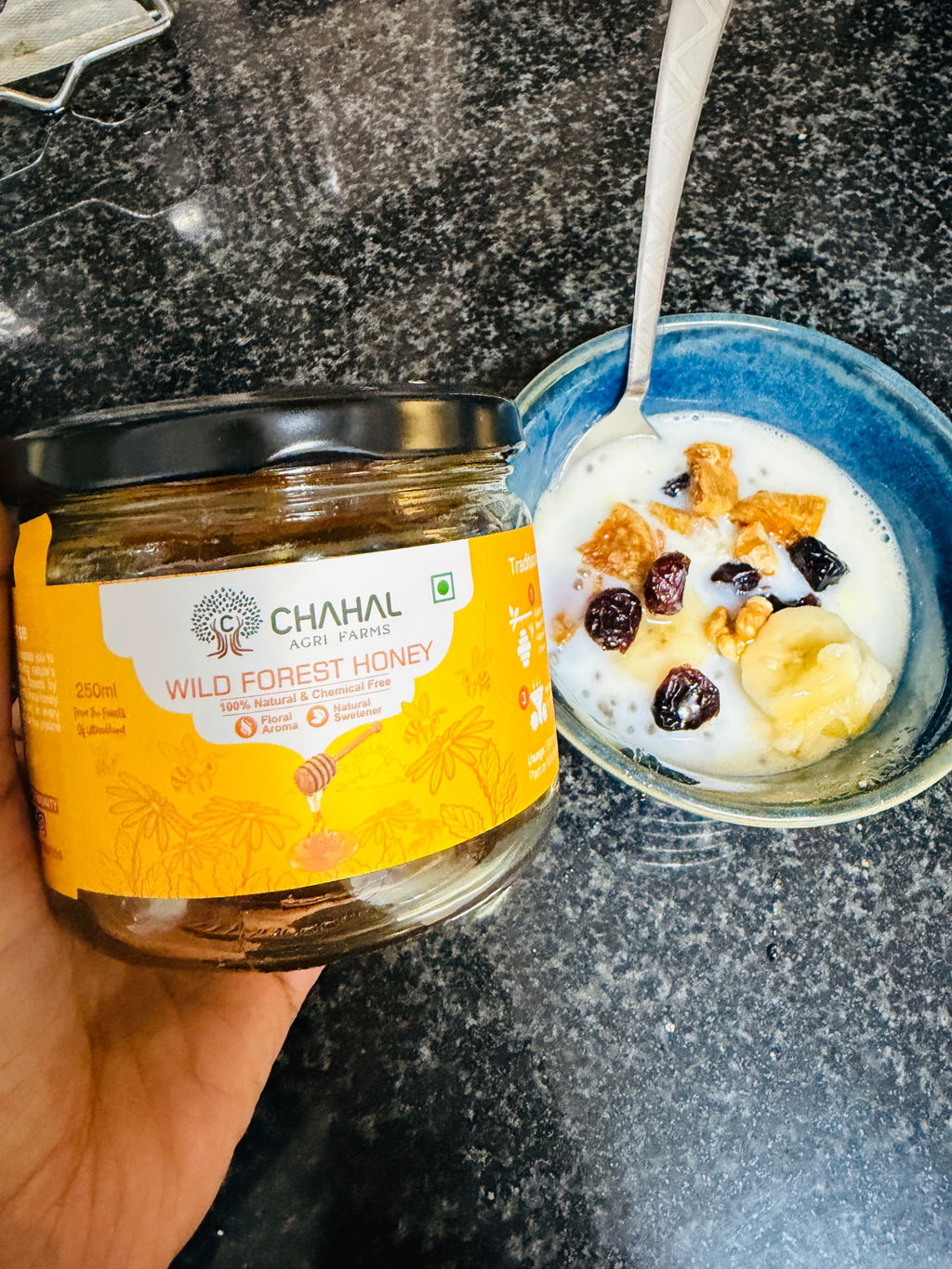
I have been using it from couple of weeks its my goto healthy and natural sweetener for my breakfast
M
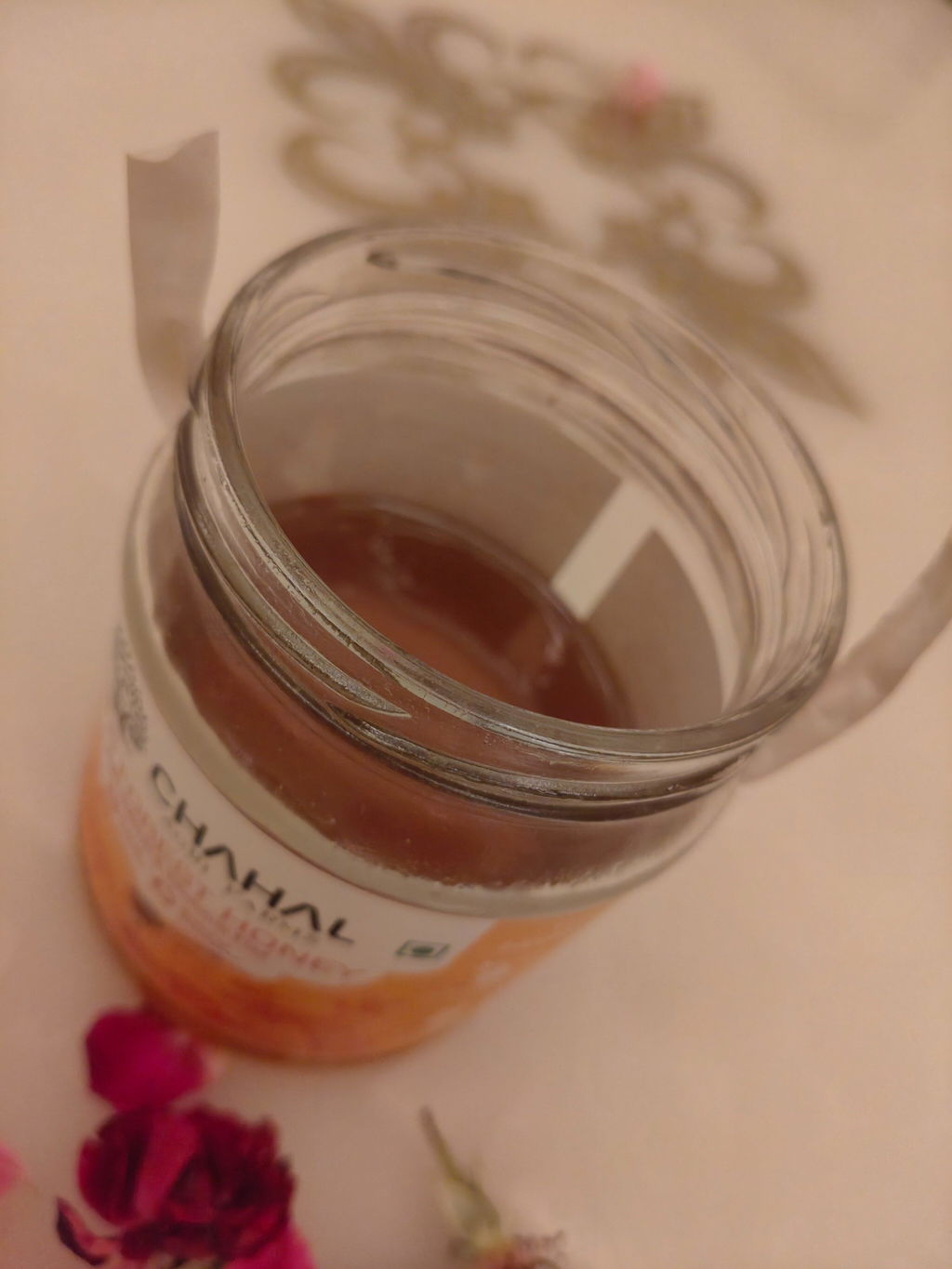
One of the best honey brands I've tried. Smooth texture, great flavor, and excellent quality.
A
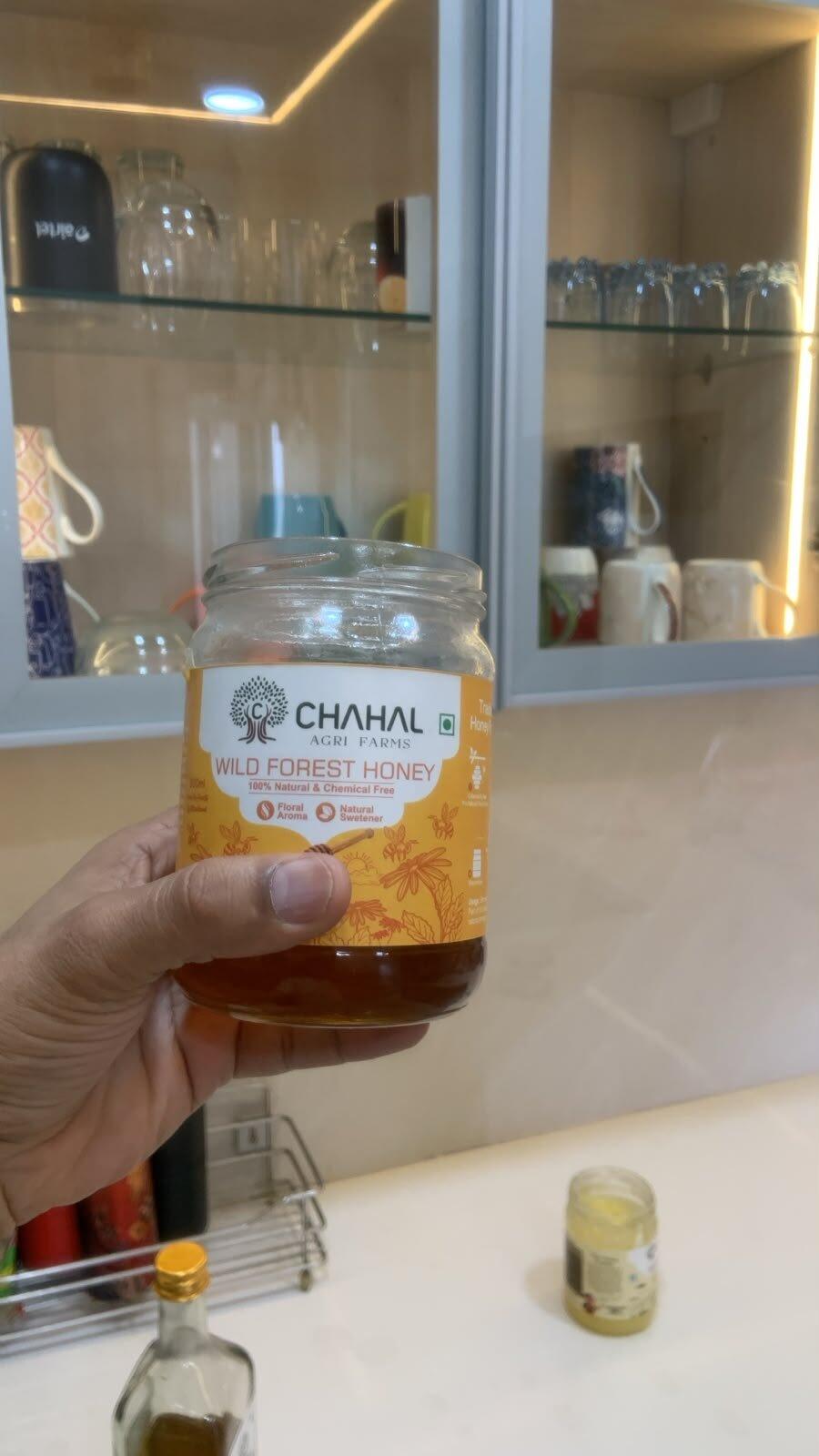
Asli forest honey ka taste aur freshness
L
honey ko fridge mai rakh kr dekha rha,jama nai bilkul bhi...pure lag rha hai abhi tak to
A
purchased 500ml multiflora honey, received in good packaging and honey is also pure.
V
Honey is really good and smells good
V
Best quality honey
V
Pure and authentic Honey. I stopped buying honey from other brands once I started buying Chahal product. I stopped using unhealthy sugal as well. No adulteration whatsoever. Very pure.